

Written by Hazel Secco, CFP®, CDFA®
Key Points:
- Asking “dumb” money questions closes the gap between your growing financial responsibility and the education most women never received.
- Staying silent can be costly as a breadwinner; asking for clarity protects your income, reduces avoidable mistakes, and sets an example for others.
- You’ve already done the hard part by earning well; getting answers now helps convert high income into lasting wealth and helps protect future you.
Table of contents
- Here are several real, practical reasons why it’s not just okay, but wise, to ask the “dumb” money questions that matter:
- #1: Your Role Outpaced the Financial Education Most Women Got
- #2: “Dumb” Money Questions Are How You Turn Stress into a Plan
- #3: The Cost of Pretending to Know Is Higher When You’re the Breadwinner
- #4: Asking “Dumb” Money Questions Actually Makes You Look More Competent, Not Less
- #5: You’re Modeling Permission for Other Women (And Your Kids)
- #6: Clarity Today Protects Future You
- #7: You’re Already Doing the Hard Part: Earning
- Go Ahead: Ask the “Dumb” Money Questions
- You May Also Like
Being a woman comes with a lot of pressure. We’re expected to act right, look right, and even speak right. And even the women who seem to have it all together often wrestle with the lingering question: Am I enough?
If that sounds familiar, you’re not alone. Most of us feel this in some form almost every day. It can show up after a mistake at work, a parenting decision we second-guess, or a question we hesitate to ask because we’re worried it will make us look uninformed.
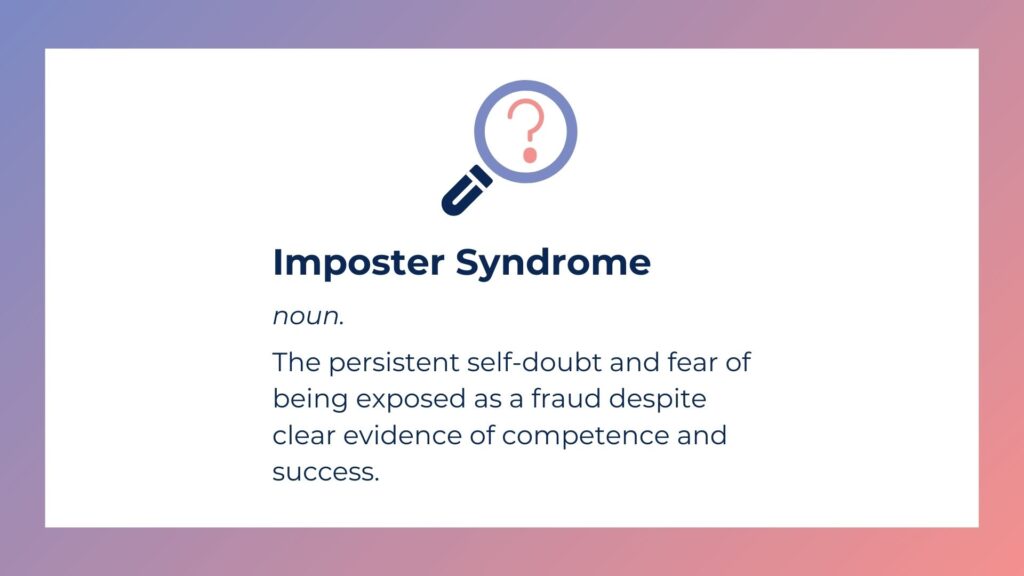
There’s a reason this runs so deep. Many women experience imposter syndrome, that persistent self-doubt and fear of being exposed as a fraud despite clear evidence of competence and success. The story in our heads says that one wrong question might reveal we don’t deserve to be the breadwinner, the leader, the mother, or the changemaker.
But here’s the truth: asking “dumb” money questions can be a power move, especially for female breadwinners. It helps protect your income, maintain your options, and enhance your long-term security. Staying silent doesn’t make you smarter. It just leaves important gaps unaddressed.
So if you’ve been holding back from asking what’s really on your mind because you’re afraid of looking “stupid,” consider this your permission to speak up.
Here are several real, practical reasons why it’s not just okay, but wise, to ask the “dumb” money questions that matter:
#1: Your Role Outpaced the Financial Education Most Women Got
For many women, financial responsibility didn’t arrive with a handbook. It evolved over time:
- A promotion increased your income.
- Your partner stepped back from managing the details.
- A divorce, a business launch, or a life transition shifted the weight onto your shoulders.
Suddenly, you’re the primary earner and the default CFO of the household.
And yet, most of us were never formally taught how to manage equity compensation, optimize taxes, evaluate insurance, or think strategically about long-term wealth. It’s no surprise that your role may have grown faster than your confidence or technical knowledge.
I want to reassure you: that gap doesn’t mean you’re incapable. It simply means you’re operating at a level that outpaced your education.
Asking the right questions can be how you close that gap. It’s how you move from winging it to making clear, confident decisions that help protect your income and support the life you’re building.

#2: “Dumb” Money Questions Are How You Turn Stress into a Plan
Money stress tends to sit in the back of your mind. You adjust your 401(k), your Restricted Stock Units (RSUs) vest, or your income jumps into a new tax bracket, and you move forward, crossing your fingers that you handled it correctly. Even women who earn well and lead confidently can feel uncertain about the details.
Clarity can make a real difference. In fact, financial literacy is closely linked to lower stress and stronger decision-making. When you understand how your retirement options work, how your equity is taxed, or what your marginal tax rate actually means, you stop second-guessing yourself.
In my experience, the answers to the “dumb” money questions often create the biggest relief. Instead of guessing, you can start choosing with intention. That shift helps boost your confidence not just in your finances, but in how you show up everywhere.
#3: The Cost of Pretending to Know Is Higher When You’re the Breadwinner
When you’re the primary earner, choices about investing, insurance coverage, tax elections, or equity compensation don’t just affect you—they affect your entire household. If the margin for error feels smaller, it’s often because it is.
This isn’t meant to add more pressure to what you may already be carrying. It’s simply a reminder of why asking the “dumb” money questions matters instead of pretending to understand something when you don’t.
Would you rather protect your ego or your financial stability? You might feel embarrassed in the moment, but that cost is small compared to the potential expense of moving forward with blinders on when making big decisions.
#4: Asking “Dumb” Money Questions Actually Makes You Look More Competent, Not Less
There’s a common fear that asking questions makes you look uninformed or inexperienced. In reality, the opposite is often true. Research shows that people who ask for advice are typically viewed as more competent because it signals that they care about getting it right.
When you pause to ask a clarifying question about an investment strategy, a tax move, or your equity compensation, you’re showing that you take your responsibility seriously. That reads as leadership, not ignorance.
When in doubt, ask yourself: Would a man hesitate to ask this question because of what people might think? Most of the time, the answer is no. Ask the “dumb” money question and put the uncertainty behind you.
#5: You’re Modeling Permission for Other Women (And Your Kids)
When you ask “dumb” money questions out loud, you’re doing more than getting clarity for yourself. You’re normalizing women as decision-makers who gather information and make informed choices. And you’re showing that you’re allowed to take up space in financial conversations.
The example you’re setting matters more than you think. Your daughters see what leadership with money looks like. Your sons learn that women belong at the head of the table. Junior colleagues notice that capable people ask questions. Even your partner sees that staying engaged is part of shared responsibility.
Most people aren’t born with financial confidence; it’s something you build over time. When you demonstrate your curiosity and willingness to speak up—even when it feels uncomfortable to do so—you give others permission to do the same.
#6: Clarity Today Protects Future You
Women live longer on average, and that longevity comes with financial implications. The risk of financial insecurity later in life is higher, especially if you’ve been single, divorced, or widowed.
At some point, you may be the only one sitting in the decision-maker’s chair. In fact, research from Morningstar suggests that 90% of women will manage assets on their own at some point in their lives.
That’s why getting clear on the “dumb” questions now matters more than most people realize:
- How are your accounts titled?
- Where are your passwords stored?
- What does your estate plan say?
- Who knows what, and where is it documented?
Taking the time to understand these details today makes future you stronger. It reduces the chances that you (or your loved ones) have to piece things together during a crisis or try to make major decisions while grieving.

#7: You’re Already Doing the Hard Part: Earning
You’ve already accomplished the part most people never do. You earn well. You carry real financial responsibility. You’ve built a level of income that gives you options. That took discipline, resilience, and skill.
The mechanics of managing it well are learnable. Understanding tax strategy, investment structure, account types, and employer benefits isn’t some secret language reserved for other people. It’s information you can access and apply.
Every “dumb” money question you ask is part of converting income into wealth. You’re making sure your money is working as hard as you are and closing gaps that could otherwise cost you in fees, unnecessary taxes, or overlooked opportunities.
Go Ahead: Ask the “Dumb” Money Questions
Being the breadwinner isn’t easy. It takes focus, discipline, and a lot of hard work. You’ve already proven you can do the hard part. Now it’s about getting clear so you can maintain what you’ve built and turn strong income into lasting wealth.
If asking the “dumb” money questions still feels uncomfortable, you don’t have to do this alone. The right financial planner creates space for real conversations. I encourage my clients to bring everything to the table, because honest questions are how we uncover what matters and build a plan that reflects it.
If you’re ready for clarity and shared decision-making instead of carrying it all yourself, Align Financial Solutions is here to help. Schedule a 15-minute Align Call and start moving forward with confidence.